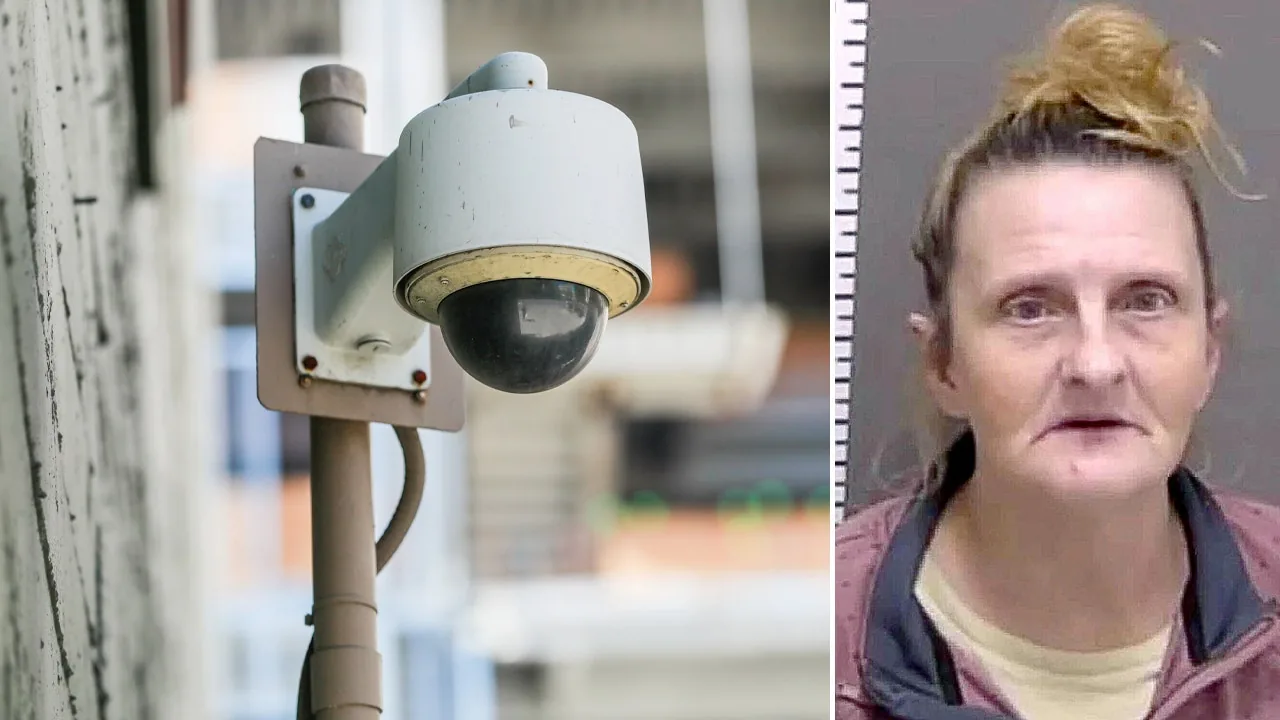
FARGO, ND — A Tennessee grandmother says she spent more than five months in custody after facial recognition software linked her to a bank fraud investigation in Fargo, North Dakota, even though she says she had never been there. Her defense attorney says basic records later showed she was in Tennessee when the alleged crime happened.
How the case began
The investigation started after bank fraud reports in Fargo and West Fargo involving a suspect accused of using a fake military ID to move money from accounts. Detectives reviewed surveillance footage, ran facial recognition on poor-quality images, and the result pointed them to Angela Lipps.
Her attorney, Jay Greenwood, said police then checked her social media and moved ahead without more investigation before seeking an arrest warrant. Fargo police later said the warrant reflected that a judge and prosecutor had found probable cause.
Arrest and custody
Lipps, 50, was arrested in Carter County, Tennessee, in July 2025 and held as a fugitive from justice. She says U.S. marshals took her into custody at gunpoint while she was babysitting, then held her in a local jail while she waited to be sent to North Dakota.
Greenwood said Lipps told authorities from the start that she had never been to North Dakota and had never flown before. Fargo police said they could not determine from available information why she remained in Tennessee custody so long before transport.
Records cleared her name
Greenwood said family records helped show Lipps was in and around Elizabethton, Tennessee, during the time she was accused of being in North Dakota. Those records included bank activity tied to her Social Security checks and ordinary purchases close to home.
After those records were shared with prosecutors and Lipps was interviewed, the case was dismissed without prejudice on Dec. 23, 2025, and she was released the next day. Her attorney said she lost her home, car, reputation and dog during the months she spent locked up.
Policy changes after review
Fargo police said the department does not run facial recognition in-house, but investigators may use outside intelligence centers that generate leads from the technology. The department said it later completed an internal review and adopted a formal facial recognition policy in March.
Police also said the case is still considered an ongoing investigation as they work to determine who was involved in the fraud scheme. Greenwood argued the episode shows facial recognition should be treated as one investigative tool, not a shortcut that replaces independent evidence.
SpeedReadNews tracks Montana and the surrounding frontier, fast and factual.