DENVER, CO — Travelers heading to western and northern destinations are facing a rough patch this summer as extreme heat, wildfire smoke and dry conditions build across Colorado, Utah, North Dakota and nearby states. The warnings affect road trippers, hikers and visitors flying into the region on major carriers including Delta, United, American and Southwest.
The National Weather Service has said some areas could see temperatures ranging from 100 degrees to 110 degrees, with a chance of daily records being set. Even where flights continue as normal, the ground-level risks are changing how people should plan outdoor trips.
Heat Drives the Risk
The strongest concern is the heat itself, which can make camping, hiking and long drives more dangerous during the busiest travel stretch of the year. High temperatures can lead to dehydration, heat exhaustion and other problems for people spending long hours outside.
Officials are also watching for reduced visibility and difficult travel conditions in mountain areas, where hot, dry weather can make outdoor activity more punishing. For many visitors, that means changing schedules or shortening time outside during peak afternoon hours.
Colorado and Utah Hit Hard
Colorado remains one of the states most exposed because of its large outdoor tourism economy and heavy summer traffic. Visitors come for national parks, mountain towns, hiking, camping and scenic drives, all of which are more vulnerable when weather turns severe.
Utah faces similar pressure because many trips there are planned months ahead around its parks and backcountry destinations. Sudden heat, smoke or road issues can affect guided tours, lodging plans and the timing of long-distance trips.
Northern Plains Also Affected
North Dakota is also part of the current heat event, even though it is not usually viewed as a major adventure-travel hub. The National Weather Service says parts of the Northern Plains could see unusually high temperatures during the surge.
That matters for travelers using the state for outdoor recreation, long drives or as part of a broader western route. The main concern is not only the temperature, but how it affects basic outdoor safety and trip reliability.
What Travelers Should Check
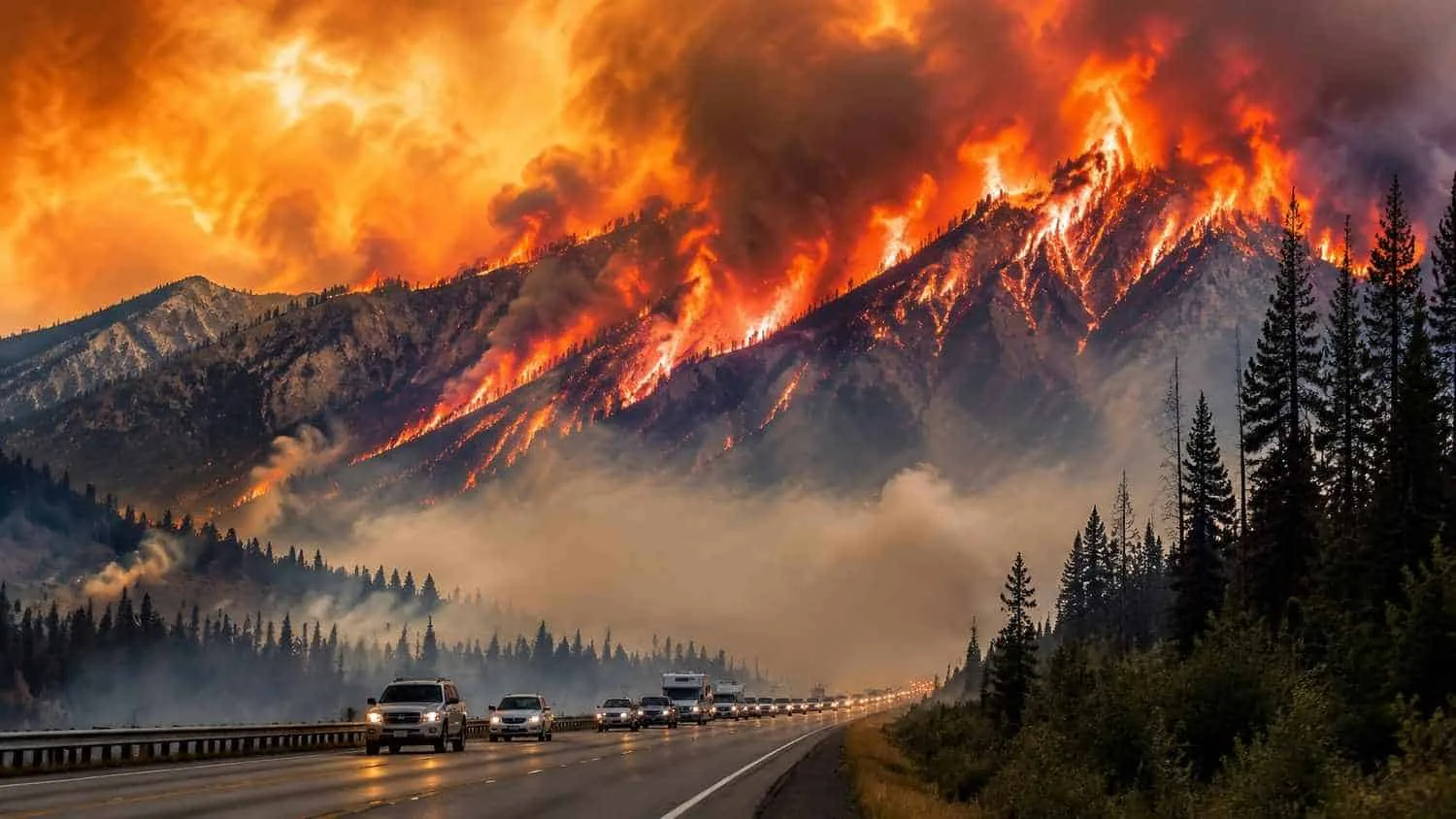
Wildfire smoke is adding another layer of trouble, especially in and around parts of Colorado and Utah where air quality can drop quickly. Smoke can irritate breathing, cut visibility and limit time on trails or in open areas.
No airline has announced major cancellations tied directly to this weather pattern, but travelers are being told to check flight status, road conditions and local alerts before leaving. The biggest impact is expected on outdoor tourism, where flexibility and up-to-date information may matter as much as the original reservation.
SpeedReadNews tracks Montana and the surrounding frontier, fast and factual.