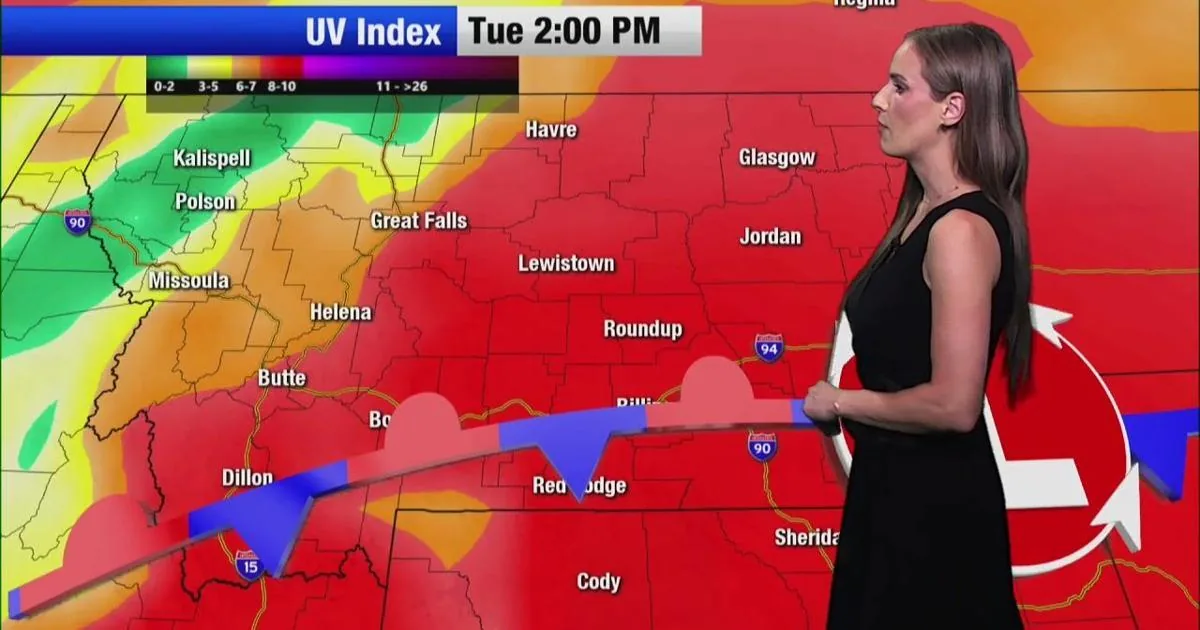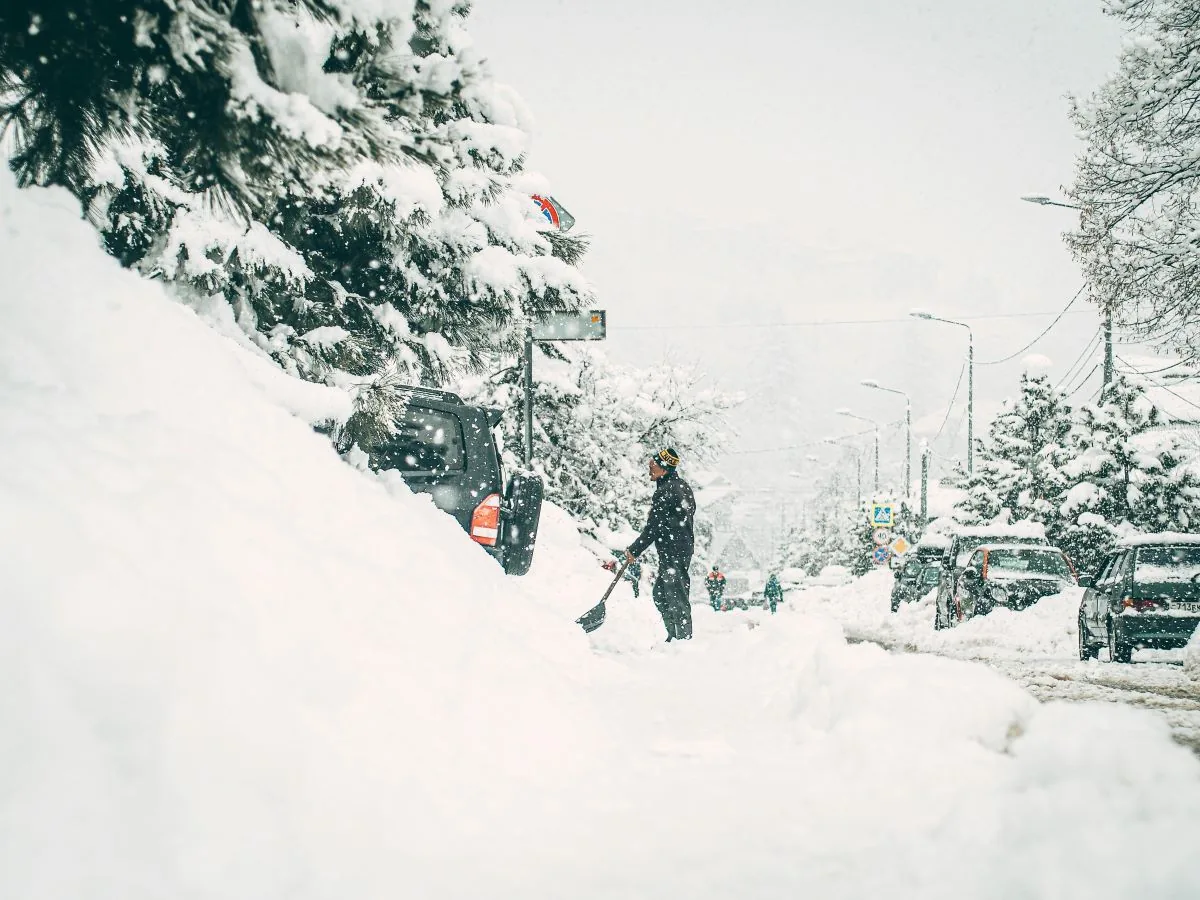
DENVER, CO — A heavy snow warning is in effect for parts of Colorado, Wyoming and Montana as a powerful late-season storm pushes unusually harsh winter conditions across the western United States. Forecasters say mountain areas could pick up as much as two feet of snow, with wind gusts reaching 45 mph and visibility dropping near whiteout levels.
The timing is adding to the danger. Spring weather is being replaced quickly by intense snowfall and strong winds, raising concerns about road closures, travel delays and avalanche risk in the Rockies.
Rapid Snow and Wind
Weather officials say the storm is expected to produce fast-changing conditions across higher elevations, where snow may fall heavily in a short period of time. Lower areas could also see meaningful accumulation, depending on how temperatures shift during the storm.
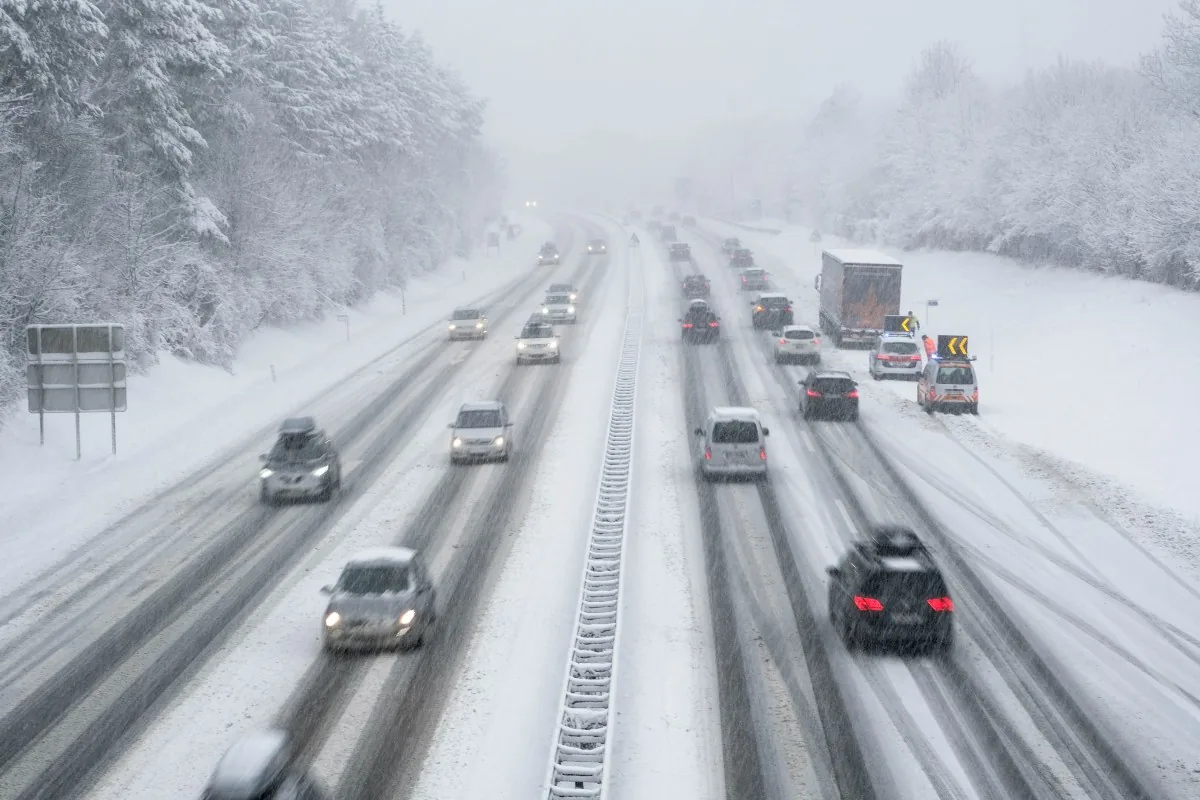
Strong wind is likely to move snow across highways and open stretches of road, making it harder for drivers to see and creating the chance for sudden travel problems. Exposed mountain routes are expected to be the most vulnerable.
State by State Impacts
In Colorado, mountain highways and ski areas are facing the strongest disruption. Wyoming could see interstate closures if drifting snow and poor visibility worsen, while Montana is most at risk in rural and higher-altitude communities.
Emergency services across the three states are urging people to limit travel and stay alert to quickly changing conditions. Officials are watching road conditions closely as the storm continues to strengthen.
Why This Storm Grew
Meteorologists say the weather pattern is being driven by a clash between cold Arctic air moving south and warmer spring air still in place. That combination has made the atmosphere unstable and helped drive heavier snowfall rates.
Seasonal transitions can bring this kind of setup, but forecasters say this system is stronger than most late-spring storms. The result is prolonged poor visibility, heavy snow and strong winds across mountain terrain.
Travel Risks Ahead
Transportation across the region is likely to be the main concern as the warning continues. Mountain passes are being watched for possible closures if snowfall becomes heavier or drifting snow gets worse.
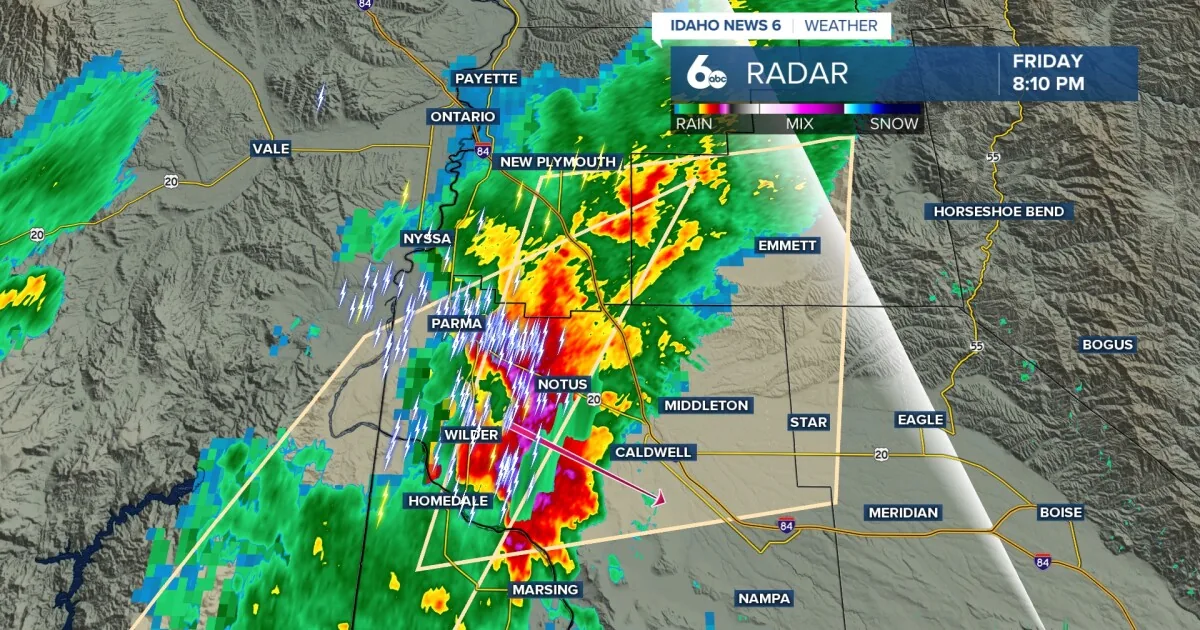
Officials are urging drivers to avoid nonessential travel because conditions can change quickly and leave roads blocked or nearly impossible to see. The storm also fits into a broader stretch of weather volatility across the country, with rain and thunderstorms hitting some regions while the western mountains take the snow.
SpeedReadNews tracks Montana and the surrounding frontier, fast and factual.