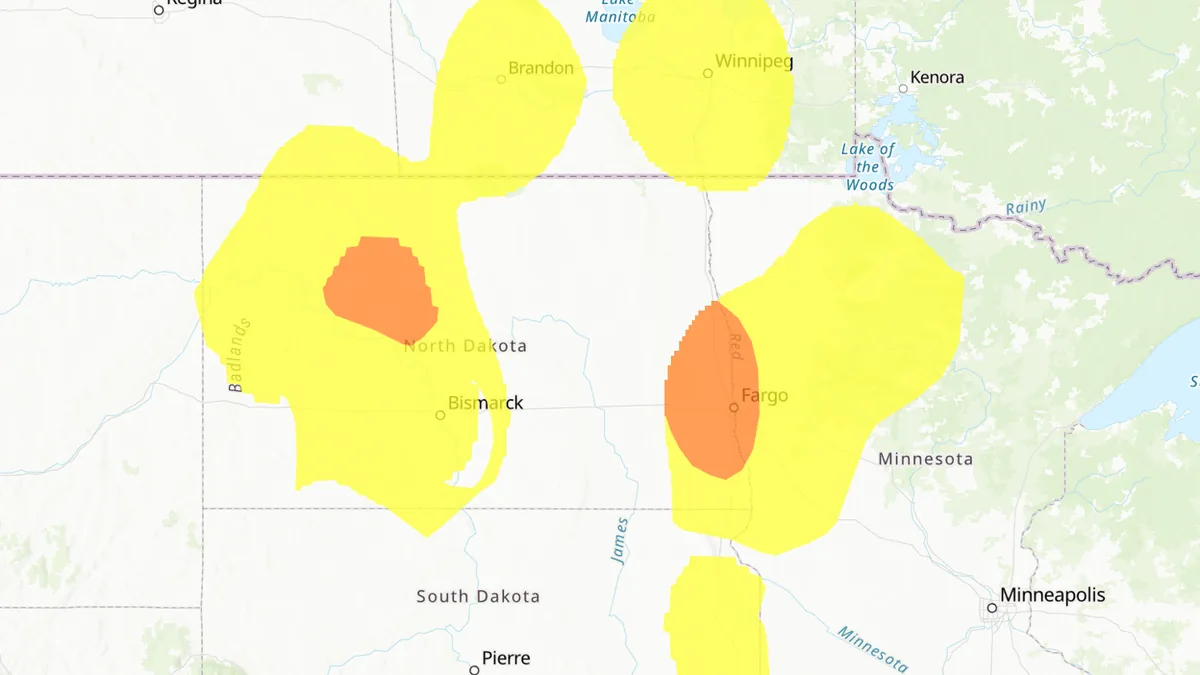
ST. PAUL, MN — Windblown dust sent air quality into dangerous territory across parts of the Upper Midwest, with warnings in place for communities in Minnesota, South Dakota and North Dakota. Officials urged residents to stay inside until conditions improve, saying the advisory could remain active until late Friday night.
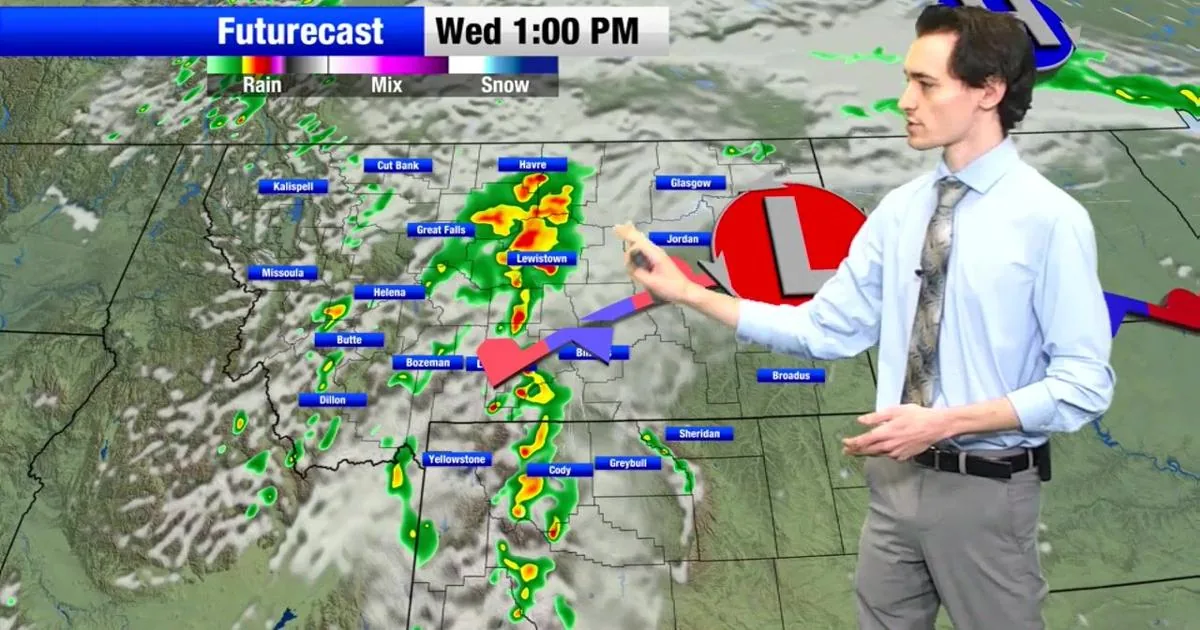
About 300,000 people were affected by the warning as fine particles continued to hang in the air and reduce visibility. The National Weather Service said the blowing dust threat was tied to a broader weather system that has caused trouble across the region all week.
Air quality turns hazardous
The World Air Quality Index project reported hazardous pollution levels in Watertown, South Dakota, while Fargo, North Dakota, was described as having unhealthy air. At those levels, the Environmental Protection Agency advises people to avoid outdoor physical activity.
The concern is tied to PM10 particles, which are small enough to be inhaled deep into the lungs and can even enter the bloodstream. People with asthma or other respiratory conditions were said to face the greatest risk from going outside.
Travel disruptions spread
The dust storms were not only a health concern. They also disrupted travel, with road closures and accidents reported in parts of the Midwest as the storms rolled through.
In Illinois, drivers were told earlier in the week to pull over if a dust cloud engulfed their vehicle, and state officials described the situation as dangerous and life-threatening for motorists.
Farm fields under scrutiny
Scientists and meteorologists said the growing size and frequency of these dust clouds is a reminder of the region’s Dust Bowl past. They pointed to spring planting practices as one reason the exposed top layer of soil can be picked up more easily by strong winds in late April and May.
National Weather Service meteorologist Mike Albano said modern high-speed precision planters may be contributing to the problem by breaking the topsoil into finer powder, which is then easier for winds to lift.
Tracking the dust clouds
The current dust clouds can be monitored through the AirNow website, which maps air quality conditions across the country. For now, officials are telling people in the affected states to limit time outdoors and wait for the dust to settle before resuming normal activity.
SpeedReadNews tracks Montana and the surrounding frontier, fast and factual.